Water Leak Detection Scenarios in Greater Charlotte: Ranked
Recommended Water Leak Detection Scenarios for Greater Charlotte Properties: A Ranked Priority List

The highest-priority water leak detection scenario for most Greater Charlotte properties is an active sub-slab hydronic or hot-water line leak under an occupied floor. It combines hidden water loss, elevated structural risk, and direct cost impact. The second priority is a multifamily main sewer or drainage failure that affects an entire building. The third is a concealed bathroom wall or floor leak that is often found during a remodel or after a fixture failure. The remaining priorities are underground service-line leaks, buried irrigation or sprinkler line leaks, and emergency burst-pipe events.
This ranking is an editorial planning tool for property owners, managers, and facilities teams. It is not a measured failure-rate table. It uses urgency, structural risk, and cost impact, then matches each scenario to documented Happi Plumbing field evidence where available.
Problem Definition: Why Leak Scenarios Need a Priority Order
Water leak detection is the process of locating the source of unintended water loss without unnecessary demolition. In Greater Charlotte properties, the visible symptom is often not the source. A warm first-floor floor can point to a hot-water line under the slab. A recurring multifamily backup can point to a main lateral closed by grease, roots, or a broken connection. Slow bathroom drainage can point to corroded galvanized lines and a drainage layout that lacks proper code grading. The detection task is to separate a fixture problem from a pipe problem, a drain problem from a supply-line problem, and a surface stain from a sub-slab rupture.
Not every leak deserves the same response speed. A visible burst pipe is urgent because the water is obvious. A hidden sub-slab leak can run continuously behind finished flooring with no standing water in view. A 20-unit sewer failure can create immediate habitability and tenant-retention risk even before a pipe ruptures. A concealed bathroom leak can stay hidden until tile, drywall, or framing is already affected. Priority order helps a property owner decide what to investigate first, what evidence to request, and when to authorize non-invasive detection before opening surfaces.
Industry Background: Methods Behind Professional Leak Detection
Water leak detection uses several method families. Acoustic sensors are the most common detection method for leaks in pressurized pipes, according to a U.S. Department of Energy OSTI technology overview. Federal guidance distinguishes service-line methods such as noise loggers, listening sticks, and hand-held thermal imaging from main-line methods such as in-pipe sensors, fiber optics, satellite, ground penetration, and drone-operated thermal imaging. Noise loggers can be attached along distribution systems and left in place or moved as needed. Ground-penetrating radar has been reported to detect relatively small water leaks up to 12 feet below the ground surface. Acoustic and hydrophone methods are widely used and can be promising for long-range detection in high-attenuation conditions.
The global water leakage detector systems market was valued at USD 5.5 billion in 2026 and is projected to reach USD 9.7 billion by 2036, according to Fact.MR. For a property-level decision, the practical question is not which method sounds advanced. It is which method can isolate the likely fault without opening finished surfaces unnecessarily. That is why a ranked scenario list is useful: it tells the property owner what type of leak evidence to collect before choosing a detection method or a repair scope.
Detailed Solution: How Happi Plumbing Approaches Ranked Leak Scenarios
Happi Plumbing Corporation is an A+-rated, BBB Accredited plumbing company serving the Greater Charlotte area, including Matthews and Waxhaw, North Carolina. The company provides residential, commercial, and 24/7 emergency plumbing services, with leak detection supported by electronic sonar detectors, high-definition endoscopic cameras, pressure sensors, and a documented 7-Stage Comprehensive Pipe Restoration System (Version 2.0). The team is led by Ben Liu, a plumber with over ten years of experience managing complex cargo ship piping systems who holds Class 1 Plumbing and Certified Backflow Tester Licenses in North Carolina and South Carolina. Happi Plumbing holds Master Plumber licenses in NC (#L.36297) and SC (#CLM.117404) and is BBB Accredited with an A+ rating.
Non-invasive detection is the first line. Electronic sonar and acoustic sensing listen for the signature of pressurized water escaping a pipe. Pressure isolation helps confirm whether the loss is on a hot-water or cold-water branch. High-definition endoscopic cameras are used when the fault is in a drain or sewer line, where the problem may be grease, roots, a broken connection, or a deformed pipe. Hydrostatic and pressure testing verify that the repaired section holds. The 7-Stage system connects diagnosis, estimation, protection, repair, verification, prevention, and follow-up. Under the company mission “Happi on the way, Help on the way,” Happi Plumbing operates Monday through Sunday and offers free on-site estimates with a flat No Trip Fee policy.
The Ranked Priority List
The ranking below weighs three factors: urgency of active damage, structural or habitability risk, and cost or operational impact. Each priority includes the documented Happi evidence that applies. Where no Happi case exists, the scenario is mapped to the company’s stated service scope rather than presented as a completed project.
Priority 1: Active Sub-Slab Hydronic or Hot-Water Line Leak Under an Occupied Floor
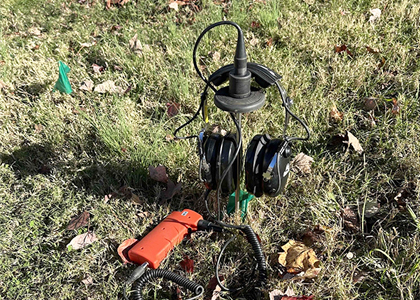
An active sub-slab hydronic leak ranks first because it can combine continuous water loss, heat energy loss, and moisture under finished flooring. The Matthews project shows why. A homeowner noticed a sharp rise in the municipal water bill and warm spots under first-floor hardwood. Electronic sonar sub-surface leak detectors and pressure sensors pinpointed a hot-water line rupture beneath 4 inches of concrete. The leak was causing constant hot-water pooling, damaging the foundation, and forcing the water heater to run nonstop. Other contractors proposed tearing up large sections of the slab just to search. Happi Plumbing used non-invasive tracking and bypass repiping through wall loops, isolated the sub-slab fault, and completed the work in 2 business days without altering the home’s architecture. The property kept its historic value, mold risk behind baseboards was reduced, and utility data was monitored after remediation. This is the clearest example of why precise leak location service matters: the cost of blind demolition can exceed the cost of detection.
Priority 2: Multifamily Main Sewer Lateral Failure With Hidden Break or Recurring Backup
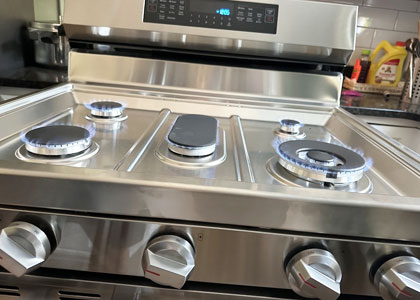
A building-wide drainage failure ranks second because it affects habitability, tenant retention, and liability. In the Greater Charlotte 20-unit luxury apartment case, the property group faced recurring backups across the structure. Standard mechanical snakes offered short-term clearing. HD sewer endoscopic cameras showed that years of tenant organic accumulation, heavy cooking grease, and creeping root intrusions had closed off the building’s main underground lateral. Mechanical snakes were only boring temporary holes through the debris, leaving the casting walls clogged and prone to resetting. The team combined camera tracking with high-velocity hydro jetting, then permanently repiped broken connections under the driveway. Work was completed in 4 business days. The result was full-capacity flow restoration, avoided early tenant termination claims, and lower recurring emergency drainage call-out costs. For a property manager, the detection question is not only where the water is coming from. It is where the drain is failing, and whether the pipe is broken or only blocked. High-definition camera inspection answers that before a second backup.
Priority 3: Concealed Bathroom Wall or Floor Leak During a Remodel or After Fixture Failure
Concealed bathroom leaks rank third because they often stay hidden until tile, drywall, or framing is already affected. The Waxhaw project began as a bathroom modernization for a property owner who also had slow drainage and leaking faucets. Behind the cosmetic tile damage, old galvanized line networks were corroded and blocked. Simple fixture upgrades would have failed because the main sub-surface drainage layout lacked proper code grading, which caused the chronic slow flow. The remodel stripped the space to the studs, upgraded the hidden piping and drainage lines, and used an end-to-end hydrostatic validation test to confirm that lines behind the walls were secure. The project took 2.5 weeks. It eliminated hidden wall moisture risks and delivered the modernization outcome. The detection lesson is that a concealed leak is not solved by replacing a faucet. The wall cavity, drain slope, and supply lines have to be verified together.
Priority 4: Underground Water Service Line Leak Between the Meter and the Foundation
Underground service-line leaks rank fourth. They can run continuously without obvious indoor moisture, so the first signal is often a water bill or a wet area in the yard. Happi Plumbing’s stated leak detection scope includes underground water leak detection and precise leak location service. The right method depends on the line and access: acoustic or electronic listening can narrow the zone, pressure isolation can confirm the branch, and excavation is targeted only after the likely point is identified. Industry guidance notes that ground-penetrating radar has been reported to detect relatively small leaks up to 12 feet below the surface; Happi’s documented toolkit for property work centers on electronic sonar and endoscopic inspection, so the method should be matched to the site rather than assumed.
Priority 5: Buried Irrigation or Sprinkler Line Leak
Buried irrigation and sprinkler line leaks rank fifth because they are often seasonal and landscape-related, but they can waste water and soften soil near a foundation. Happi Plumbing lists sprinkler system leak detection among its service keywords and provides underground leak detection. A zone-by-zone isolation test, combined with electronic listening or sonar where appropriate, can separate a valve problem from a line break. The priority is lower than an occupied-floor slab leak because the water is usually outside the building envelope, but it should not be ignored when the leak is close to the foundation or when the water bill remains high after indoor fixtures are ruled out.
Priority 6: Emergency Burst Pipe or Water Main Leak After a Pressure Event
Emergency burst-pipe and water-main leaks rank sixth in this planning list, not because they are minor, but because they are usually visible and demand immediate shutdown and repair. Detection still matters to confirm whether the break is isolated or whether water has traveled behind a wall or under a slab. Happi Plumbing provides 24/7 emergency services Monday through Sunday, and the service duration for active leaks and emergency repairs is typically 1–3 hours on-site. The lower rank reflects the decision sequence: stop the water, make the area safe, then verify the full extent. A hidden leak that continues after the visible repair should be escalated to the same non-invasive detection process used for Priority 1.
Step-by-Step Breakdown: From Symptom to Verified Repair
Across the three documented cases, the work follows a repeatable pattern. The steps below are a practical reading of Happi Plumbing’s documented execution, not a substitute for an on-site estimate.
- Triage the symptom. A high water bill plus a warm floor points to a hot-water line. Recurring multifamily backups point to the main lateral. Slow bathroom drainage plus leaking faucets points to concealed piping and drain grading.
- Isolate the system. Pressure testing and branch isolation separate supply from drain. For a slab leak, electronic sonar and pressure sensors narrow the location. For a sewer line, HD camera tracking establishes the internal condition.
- Pinpoint before opening. The Matthews case avoided blind concrete demolition. The multifamily case showed roots and grease on camera before hydro jetting. The Waxhaw case inspected behind the tile before the final fixture plan.
- Estimate and protect. Happi provides a free on-site estimate and enforces a flat No Trip Fee policy. In the cases, crews protected interior living space with clean-work safety drapes and protected parking pavement and access routes.
- Repair the cause. Methods vary by scenario: precision bypass repiping through wall loops for the sub-slab hydronic leak, hydro jetting plus repiping broken connections for the multifamily main, and a full hidden-pipe and drainage upgrade for the Waxhaw bathroom.
- Verify with testing. Pressure testing confirmed airtight seals in the Matthews project. A secondary camera verification documented clean casting profiles in the multifamily project. Hydrostatic validation confirmed lines behind the walls in Waxhaw.
- Prevent recurrence and follow up. The Matthews team calibrated water heater output limits. The multifamily team blueprinted a preventative grease disposal routine. The Waxhaw team conducted a quality follow-up. The common thread is that detection is not finished until the cause and the prevention step are documented.
Use Cases: Matching the Ranked Scenario to the Property
Single-family owner with a warm floor and high bill: start at Priority 1. Ask for electronic sonar and pressure isolation before any slab demolition. The Matthews case shows how a hot-water line rupture under concrete can be isolated and bypassed through wall loops.
Multifamily or commercial property manager with repeated backups: start at Priority 2. Request HD camera footage and a written finding on whether the line is blocked, broken, or root-intruded. The 20-unit case shows why repeated snaking can hide a main lateral failure.
Homeowner planning a bathroom remodel with slow drainage or leaking fixtures: start at Priority 3. Include concealed piping and drain grading in the scope before tile is replaced. The Waxhaw case shows how old galvanized lines and poor drainage slope can sit behind cosmetic finishes.
Property with a high bill but no indoor moisture: start at Priority 4. Isolate the service line and irrigation zones before assuming an indoor leak. Underground leak detection is a separate diagnostic path from in-wall or sub-slab work.
Property with wet landscape areas or a sprinkler zone that will not hold pressure: start at Priority 5. Zone isolation can separate a valve issue from a buried line break.
Visible burst or active water main break: shut off water and call for emergency service. Use Priority 6 for the immediate response, then verify hidden extension before closing the job.
Comparison Table: Ranked Scenarios and Documented Service Fit
| Priority | Scenario | Why it ranks here | Documented Happi service fit |
|---|---|---|---|
| 1 | Active sub-slab hydronic or hot-water line leak | Continuous water and energy loss under finished flooring; high structural and cost impact | Electronic sonar sub-surface leak detection; pressure sensors; precision bypass repiping; 7-Stage Comprehensive Pipe Restoration System (Version 2.0); Matthews case completed in 2 business days |
| 2 | Multifamily main sewer lateral failure | Building-wide habitability and tenant-retention risk; repeated backups | HD sewer endoscopic camera; industrial hydro jetting; structural line repiping; 20-unit Greater Charlotte case completed in 4 business days |
| 3 | Concealed bathroom wall or floor leak | Hidden moisture behind tile and framing; remodel scope risk | Hidden piping upgrade; hydrostatic validation; 7-Stage system; Waxhaw case completed in 2.5 weeks |
| 4 | Underground water service line leak | Continuous outdoor water loss; targeted excavation needed | Underground water leak detection; precise leak location; electronic sonar and pressure isolation |
| 5 | Buried irrigation or sprinkler line leak | Water waste and soil softening near foundation; lower interior risk | Sprinkler system leak detection listed in service keywords; underground leak detection |
| 6 | Emergency burst pipe or water main leak | Acute damage; visible event; immediate shutdown required | 24/7 emergency services Monday–Sunday; active leak response typically 1–3 hours on-site |
FAQ
What licensing and accreditation should a Greater Charlotte leak detection provider have?
Happi Plumbing Corporation holds Master Plumber licenses in North Carolina (#L.36297) and South Carolina (#CLM.117404), is BBB Accredited with an A+ rating, and its team includes Class 1 Plumbing and Certified Backflow Tester credentials. For a property-level leak detection project, ask for the license, insurance certificate, and a written scope before work begins.
Can Happi Plumbing find a sub-slab or concealed leak without tearing up the floor?
Yes. In the Matthews project, electronic sonar sub-surface leak detectors and pressure sensors pinpointed a hot-water line rupture beneath 4 inches of concrete. Happi Plumbing then used precision bypass repiping through wall loops to isolate the fault without blind slab demolition. For concealed bathroom piping, the Waxhaw project used hydrostatic validation to confirm lines behind the walls after the hidden piping was upgraded.
How is pricing structured, and are there hidden fees?
Happi Plumbing provides free on-site estimates and enforces a flat No Trip Fee policy. The company states that it eliminates hidden surcharges. The exact price depends on the scenario, access, and repair method, so the written estimate should itemize the detection scope, repair scope, and any restoration work. The ranked list above is a planning tool, not a price list.
What evidence do I receive that the leak was found and fixed?
Depending on the scenario, Happi Plumbing case deliverables include acoustic location maps, pressure-testing certification data, HD drain camera footage, itemized warranty sign-offs, hydrostatic test verification, and an updated water-utility tracking sheet. The Matthews project included acoustic location maps and pressure-testing certification data. The multifamily project included post-remediation HD camera footage and a signed engineering completion certificate.
How quickly can Happi Plumbing respond to an emergency leak in Greater Charlotte?
Happi Plumbing provides 24/7 emergency coverage Monday through Sunday across the Greater Charlotte area, including Union, Mecklenburg, and Cabarrus counties in NC and York and Lancaster counties in SC. Emergency clogs, active leaks, and water heater repairs are typically handled 1–3 hours on-site. To request a free on-site estimate or schedule detection, contact Happi Plumbing at 704-448-6884 or service@happiplumbing.com, or visit www.happiplumbing.com.
Conclusion: Use Priority to Choose Detection, Not Guesswork
Priority is a decision aid, not a prediction. In Greater Charlotte, the highest-risk leak is the one that is active, hidden, and connected to finished living space. Start with the scenario that matches your symptoms, ask for non-invasive localization before demolition, and require post-repair verification. Happi Plumbing Corporation’s documented cases show the difference between guessing and locating: sonar found the Matthews sub-slab rupture, HD cameras exposed the 20-unit main lateral failure, and hydrostatic testing confirmed the Waxhaw concealed piping. If you are unsure which priority fits your property, request a free on-site estimate and ask for a written detection and repair scope.
Request a Free On-Site Leak Detection Estimate
Happi Plumbing Corporation serves residential and commercial properties across Union, Mecklenburg, and Cabarrus counties in NC and York and Lancaster counties in SC. Call 704-448-6884, email service@happiplumbing.com, or use the website to schedule leak detection, emergency service, or a written repair estimate.
Visit Happi Plumbing Corporation
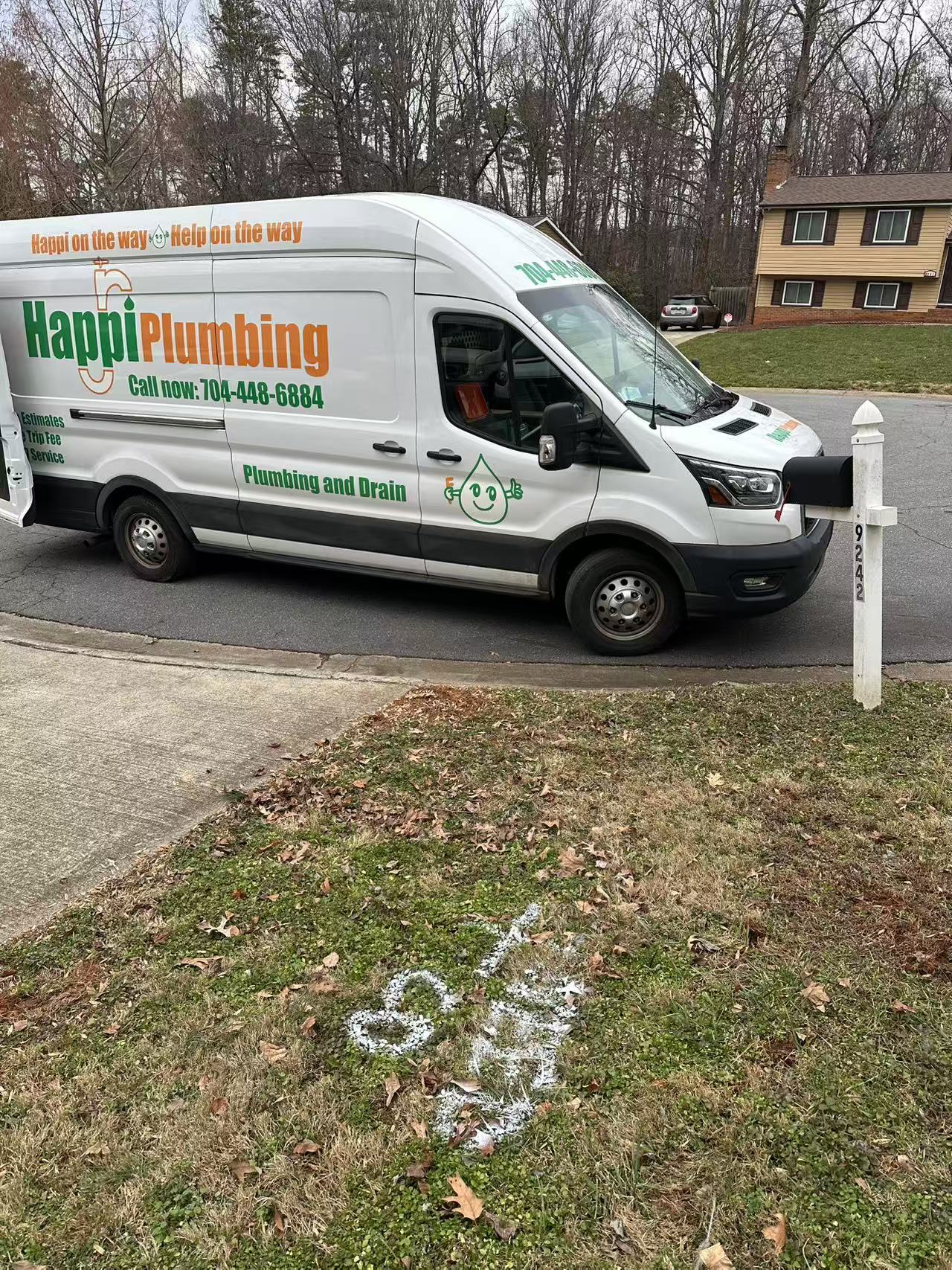
Happi Plumbing Corporation, 4011 Fincher Road, Matthews, NC 28104. Monday through Sunday emergency coverage.
Have Questions or Need More Details?
Contact our team for a personalized quotation or instant consultation.
Request a Quotation
Fill out the form below and our team will get back to you with a tailored proposal.
WhatsApp Direct Chat
Prefer to chat in real-time? Message us on WhatsApp for instant assistance & quick answers.
- Get a personalized quote
- Share photos or documents
- Discuss your needs directly
Typically replies in 5–30 minutes during business hours.