Water Leak Detection Technical Guide: Equipment & Parameters for Slab, Sewer, and Hydronic Leaks
Water leak detection is a diagnostic service, not a single tool. For slab, sewer, and hydronic leaks, the correct service depends on matching equipment to the fault domain, confirming measurable parameters, and requiring evidence before repair approval. This guide explains the equipment categories and selection parameters used in professional water leak detection, including electronic sonar, acoustic sensors, digital sub-slab detectors, high-definition sewer cameras, and hydro jetting. It also shows how Happi Plumbing Corporation applies its documented 7-Stage Comprehensive Pipe Restoration System (Version 2.0) to method selection for residential and commercial properties.
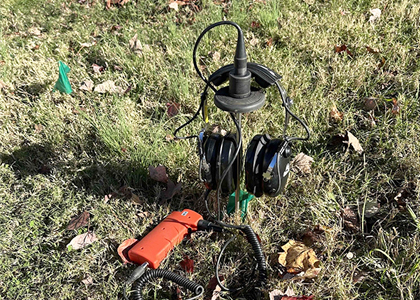
Cover: outdoor property context for evaluating underground and sub-slab water leak detection.
Problem Definition: Three Leak Domains, Three Diagnostic Questions
A slab leak is a leak in a pipe below or within a concrete slab. A hydronic leak is a leak in a hot-water heating loop; in the supplied Matthews case, a hot-water line rupture beneath 4 inches of concrete produced warm spots under hardwood flooring and a spike in the municipal water bill. A sewer or drainage leak is a leak or blockage in a drain line; in the supplied Charlotte apartment case, grease, organic accumulation, and root intrusion closed the main underground lateral line.
Those are different diagnostic problems. Slab and hydronic leaks usually require pressure isolation and non-invasive localization before any concrete is opened. Sewer problems usually require internal inspection to determine whether the line is blocked, fractured, or root-intruded. A camera does not replace a pressure test, and a listening stick does not clear a grease blockage. The buyer’s job is to require the provider to state which fault domain is being tested, which equipment is being used, and what evidence will confirm the finding.
For hidden concealed leak detection behind walls, the same logic applies. The provider should identify whether the suspected line is pressurized supply piping, a hydronic loop, a drain line, or a main-line service. Only then can the provider choose between acoustic sensors, electronic sonar, thermal imaging, camera inspection, or in-pipe tools. This distinction is the core of a defensible water leak detection scope.
Industry Background: Why Equipment Selection Is Not Interchangeable
Public guidance separates leak detection by pipe segment. U.S. Department of Energy guidance distinguishes service-line leak detection from main-line leak detection. For service lines, the listed methods include noise loggers, listening sticks, and hand-held thermal imaging. For main lines, the listed methods include in-pipe sensors, fiber optics, satellite, ground penetration, and drone-operated thermal imaging. That distinction matters because a method used for a buried service line is not automatically the right method for a sewer lateral or a hydronic loop.
Acoustic detection is a common baseline for pressurized pipes. The U.S. Department of Energy repository notes that acoustic sensors are the most common detection method and that in-pipe detection can be delivered as a one-time vendor service using acoustic, pressure, or electromagnetic sensors. Noise loggers can be attached along a distribution system and left in place for extended periods or moved as needed. Hydrophone technology has been reviewed as promising for long-range detection in high-attenuation conditions. Ground penetrating radar can detect relatively small water leaks up to 12 feet below the ground surface. EPA field tests mounted accelerometers on the outside of pipe sections to detect and locate unknown leaks using simulated and natural leaks.
These are method categories, not a ranking. The technical guide should not claim that one category is universally better. The correct selection depends on whether the line is pressurized or gravity-fed, whether the leak is under a slab or behind a wall, whether the pipe is hot-water, cold-water, hydronic, sewer, or main-line, and what confirmation test the provider will use. For example, a high-definition sewer camera can identify internal pipe condition, but it does not replace a pressure test on a concealed domestic water line. A hydro jetter can restore flow in a grease-blocked sewer lateral, but it is not a leak localization tool for a sub-slab hydronic rupture.
That is why a serious water leak detection service should document both the detection method and the verification method. The detection method narrows the search area. The verification method proves that the identified defect explains the observed symptoms, such as a high water bill, warm flooring, recurring drain backup, or unexplained moisture.
Detailed Solution: Equipment and Parameters by Fault Domain
1. Slab and Sub-Slab Leaks
For slab and sub-slab leaks, the relevant equipment includes digital electronic sub-slab leak detectors, electronic sonar sub-surface leak detectors, and electronic acoustic sensors. Happi Plumbing’s tool list includes digital electronic sub-slab leak detectors; its case documentation for the Matthews project describes electronic sonar sub-surface leak detectors and electronic acoustic sensors used to pinpoint a hot-water line rupture beneath 4 inches of concrete.
Parameters to confirm before work begins: whether the line is a domestic hot-water line, a cold-water line, or a hydronic heating loop; the slab thickness and pipe route; the system pressure; the location of the water heater; and whether a pressure test will confirm isolation. In the Matthews case, the leak caused constant hot-water pooling, foundation damage risk, and a water heater that ran nonstop. The documented outputs were acoustic location maps, pressure-testing certification data, and a water-utility tracking sheet.
The practical selection rule is straightforward. If the symptom is warm flooring and a rising water bill, the first question is whether the hydronic loop or a hot-water supply line is losing pressure. If the symptom is unexplained moisture with no visible source, the provider should state whether electronic sonar or acoustic correlation is being used and where the confirmation test will occur. A provider that cannot explain the confirmation test is offering a search, not a precise leak location service.
2. Sewer and Drainage Lines
For sewer and drainage lines, the equipment set is different. Happi Plumbing’s service documentation lists high-definition sewer internal camera systems and locators, industrial high-pressure hydro jetters, and heavy-duty mechanical drain snakes. The Charlotte apartment case used HD sewer endoscopic cameras, high-velocity hydro jetting, and secondary camera verification on a 20-unit building’s main underground lateral line.
Parameters to confirm: camera resolution and locator capability; whether the blockage is grease, scale, organic accumulation, root intrusion, or a structural fracture; whether hydro jetting is appropriate for the pipe condition; and whether a secondary camera check will be performed after cleaning. The wrong choice is to keep snaking a line without camera verification. In the supplied case, mechanical snaking had bored temporary holes through debris while leaving the pipe wall clogged. Camera inspection identified the condition; hydro jetting removed grease, scale, and stubborn debris buildup without damaging structural lines when the method was matched to the pipe.
For drainage pipe leak detection, the buyer should ask whether the concern is a blockage, a joint failure, a cracked pipe, or root intrusion. A kitchen sink drain clog and a main sewer blockage are not the same service event. The first may involve a localized drain clog and fixture-level access; the second requires main-line camera tracking, a locator, and often high-velocity cleaning. The equipment list should match the scale of the problem.
3. Hydronic and Concealed Hot/Cold Water Lines
Hydronic leaks and concealed domestic leaks require pressure isolation and non-invasive localization. The relevant parameters are hot-water versus cold-water service, pipe material, system pressure, access path, and whether the repair will use bypass repiping or direct access. In the Matthews case, the provider bypassed the ruptured concrete utility grid using precision residential wall repiping, then performed full system pressure testing. That sequence matters: locate first, confirm second, repair third.
For hidden concealed leak detection behind walls, buyers should ask whether the provider will use acoustic sensors, thermal imaging, or another non-invasive method before opening finishes. The supplied federal taxonomy lists hand-held thermal imaging among service-line methods and in-pipe sensors among main-line methods. Those are different tools for different access conditions; the provider should explain why the chosen tool fits the property. A wall cavity, a ceiling void, and a slab-on-grade floor impose different access limits, and the detection method should follow those limits.
4. Service Lines, Water Mains, and Sprinkler Systems
For underground water leak detection on service lines and water mains, the method menu can include acoustic sensors, noise loggers, listening sticks, hand-held thermal imaging, in-pipe sensors, fiber optics, satellite, ground penetration, and drone-operated thermal imaging. Ground penetrating radar has a reported detection capability for relatively small water leaks up to 12 feet below the ground surface. Noise loggers can be deployed for extended periods or moved as needed.
For water main leak detection or sprinkler system leak detection, confirm the provider’s scope and the exact method before assuming the same equipment applies. A service-line acoustic survey, a main-line in-pipe inspection, and a sprinkler-system pressure test are not interchangeable procedures. The technical guide should require a written method statement that names the pipe segment, the equipment, and the acceptance test. This is especially important when the property has mixed-use plumbing, irrigation, or fire-protection piping.
5. Credential Verification for Evaluation and Execution
Equipment alone is not a qualification. Buyers should verify the provider’s plumbing license, backflow certification, and insurance before execution. Happi Plumbing’s certification list includes a North Carolina Plumbing License (Class I), a South Carolina Plumbing License, a Certified Backflow Prevention Assembly Tester Certification, and a Business Liability Insurance Certificate. A third-party BBB profile evidence entry lists Master Plumber NC #L.36297, SC #CLM.117404, and A+ BBB accreditation. Because credential names can appear in different forms across sources, the buyer should match the license type and number to the state registry and confirm that the insurance certificate is current.
Happi Plumbing Corporation is described in its company profile as an A+-rated, BBB Accredited plumbing company serving residential, commercial, and emergency plumbing needs across the Greater Charlotte area, including Matthews and Waxhaw, North Carolina. Its service coverage includes Union County, Mecklenburg County, and Cabarrus County in North Carolina, plus York County and Lancaster County in South Carolina. The company also states 24/7 continuous emergency coverage across the Greater Charlotte Metropolitan area.
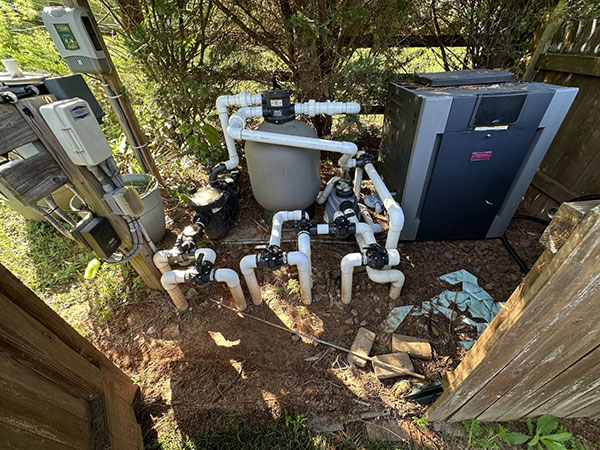
Field-service context for equipment selection and credential verification.
Step-by-Step Breakdown: A Buyer’s Seven-Step Evaluation Sequence
- Define the fault domain. State whether the problem is a slab leak, a hydronic leak, a concealed hot or cold water line, a drainage pipe leak, a main sewer blockage, or a water main issue. Do not accept a generic leak detection services quote that does not name the pipe segment.
- Collect property parameters. Provide slab thickness where known, pipe material, access points, water-heater location, prior repairs, and any utility-bill or moisture evidence. In the Matthews case, the hot-water rupture was beneath 4 inches of concrete, which affected the localization and repair plan.
- Require non-invasive localization first. For slab or hydronic symptoms, ask for electronic sonar, acoustic sensors, or digital sub-slab detection before demolition. For sewer symptoms, ask for HD camera inspection and locator tracking before repeated snaking.
- Confirm with a second test. A location map should be followed by pressure testing, a secondary camera verification, or another acceptance test. The detection finding should explain the symptom, not just point to a wet area.
- Approve the repair method against the finding. Bypass repiping through wall loops, direct access repair, hydro jetting, mechanical snaking, or component replacement are different interventions. Match the repair to the confirmed defect and the property’s structural limits.
- Require post-work validation. Ask for pressure-testing data, secondary camera footage, a quality assurance pass, or a hydrostatic validation test where applicable. The Waxhaw case used a hydrostatic validation test to confirm that lines behind the walls were secure.
- Schedule follow-up and documentation. A maintenance blueprint, utility tracking sheet, or annual recall schedule turns a one-time repair into a managed asset. This is also where the provider should explain what symptoms would justify another inspection.
Happi Plumbing’s documented method is the 7-Stage Comprehensive Pipe Restoration System (Version 2.0). The service documentation describes the field sequence through five visible phases: diagnostic inspection and telemetry evaluation; site cleansing, protective preparation, and safe-zone setup; technical service execution; secondary validation inspection; and preventive blueprinting and follow-up. For method selection, the key is not the label but whether each phase produces a checkable output: a diagnostic assessment, a protected work zone, an executed repair or cleaning scope, a validation record, and a follow-up plan.
Use Cases: Three Documented Scenarios
Matthews, NC: Sub-Slab Hydronic Leak Beneath Concrete
A luxury residential property owner in Matthews noticed a massive spike in the municipal water bill and warm spots developing under first-floor hardwood flooring. Traditional contractors recommended tearing up large sections of the foundation slab to search for the leak. Happi Plumbing technicians deployed electronic sonar sub-surface leak detectors and pressure sensors. The non-invasive tracking pinpointed a hot-water line structural rupture beneath 4 inches of concrete. The repair used precision bypass repiping paths through wall loops, isolating the sub-slab fault line without concrete demolition. The project duration was 2 business days, and the documented deliverables included acoustic location maps, pressure-testing certification data, and a water-utility tracking sheet.
Charlotte, NC: Main Sewer Blockage in a 20-Unit Apartment Building
A property management client in the Greater Charlotte Metropolitan Area faced recurring plumbing back-ups across a 20-unit luxury apartment structure. Years of tenant organic accumulation, heavy cooking grease, and creeping root intrusions had closed off the building’s main underground lateral line. The provider used HD sewer endoscopic cameras to map the internal baseline, then high-velocity hydro jetting to scour the system, followed by secondary camera verification. The project duration was 4 business days. The documented deliverables included post-remediation HD visual camera footage logs, itemized structural engineering warranty sign-offs, and a customized property preventative maintenance blueprint.
Waxhaw, NC: Renovation-Triggered Concealed Leak Risk
A turnkey property owner in Waxhaw wanted to modernize an outdated bathroom with slow drainage and leaking faucets. The architectural review found that old galvanized line networks were corroded and blocked, and the sub-surface drainage layout lacked proper code grading. The project replaced the hidden piping and corrected the drainage layout, then ran an end-to-end hydrostatic validation test to confirm that all lines behind the walls were secure. The project duration was 2.5 weeks. This case shows why concealed leak detection and repair planning should be linked: cosmetic fixture upgrades can fail if the hidden pipe condition is not corrected first.
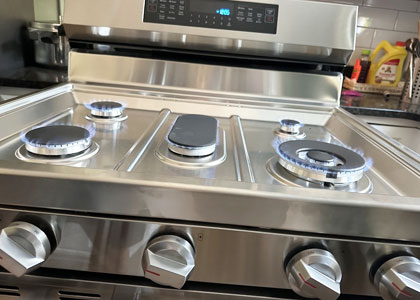
Drainage and kitchen drain clog context for sewer camera and hydro jetting evaluation.
Comparison Table: Equipment and Acceptance Evidence by Leak Domain
| Leak domain | Equipment named in supplied facts | Parameters to confirm | Acceptance evidence to require |
|---|---|---|---|
| Sub-slab hydronic hot-water rupture | Electronic sonar sub-surface leak detectors; electronic acoustic sensors; digital electronic sub-slab leak detectors. | Hot-water line identification; slab thickness and pipe route; pressure isolation; water-heater behavior. The Matthews case involved a rupture beneath 4 inches of concrete. | Acoustic location maps; pressure-testing certification data; water-utility tracking sheet. |
| Concealed domestic hot or cold water line | Acoustic sensors; digital electronic sub-slab leak detectors where sub-slab access applies; in-pipe acoustic, pressure, or electromagnetic sensors where in-pipe service applies. | Hot versus cold service; pipe material; access path; system pressure; whether the repair will use bypass repiping or direct access. | Location map; pressure test or hydrostatic validation; documented repair scope. |
| Sewer and drainage line | High-definition sewer internal camera systems and locators; industrial high-pressure hydro jetters; heavy-duty mechanical drain snakes. | HD camera and locator capability; blockage type; grease, scale, organic accumulation, root intrusion, or fracture; secondary camera check. | HD camera footage logs; secondary camera verification; quality assurance pass; maintenance blueprint. |
The table is a selection aid, not a universal ranking. A sewer camera, a hydro jetter, an electronic sonar detector, and an in-pipe sensor answer different diagnostic questions. The provider should state which question is being answered before work begins.
FAQ
What credentials should I verify before hiring a water leak detection provider in NC or SC?
Verify a current North Carolina plumbing license and a South Carolina plumbing license where the work crosses state lines, plus a Certified Backflow Prevention Assembly Tester Certification if backflow testing is included. Happi Plumbing’s certification list includes a North Carolina Plumbing License (Class I), a South Carolina Plumbing License, and a Certified Backflow Prevention Assembly Tester Certification. A third-party BBB profile evidence entry lists Master Plumber NC #L.36297, SC #CLM.117404, and A+ BBB accreditation. Also request a current Business Liability Insurance Certificate and match the license type and number to the state registry.
What equipment is used for slab, sewer, and hydronic leak detection?
Slab and hydronic work can use electronic sonar sub-surface leak detectors, electronic acoustic sensors, and digital electronic sub-slab leak detectors. Sewer and drainage work can use high-definition sewer internal camera systems and locators, industrial high-pressure hydro jetters, and heavy-duty mechanical drain snakes. Service-line and water-main work can use acoustic sensors, noise loggers, listening sticks, hand-held thermal imaging, in-pipe sensors, fiber optics, satellite, ground penetration, or drone-operated thermal imaging. The equipment should match the pipe segment and the confirmation test.
How should budget be confirmed without hidden charges?
Ask for a free on-site estimate and an itemized scope that separates detection, access, repair, cleaning, and validation. Happi Plumbing states that it offers free on-site estimates and enforces a flat No Trip Fee policy while eliminating hidden surcharges. The quote should name the equipment, the expected access method, and the validation step. Do not compare a detection-only price with a detection-plus-repair price unless both scopes are broken down the same way.
What inspection evidence should I receive before approving repair?
For slab and hydronic work, request acoustic location maps, pressure-testing certification data, and a utility tracking sheet where applicable. For sewer work, request HD camera footage logs, a secondary camera verification, and a quality assurance pass. For renovation-related concealed work, request hydrostatic validation records and a written confirmation that lines behind walls were tested. These deliverables let the property owner or manager verify that the finding and the repair are connected.
How long does leak detection and related work take?
Happi Plumbing’s documented timelines list emergency clogs and leaks at 1–3 hours, fixtures, water heaters, and gas lines at 2–6 hours, annual backflow testing at 1–2 hours per device, and turnkey kitchen and bath remodeling at 1–3 weeks. Documented cases include a Matthews sub-slab hydronic repair at 2 business days and a Charlotte 20-unit main sewer restoration at 4 business days. To request an assessment, contact Happi Plumbing at 704-448-6884 or service@happiplumbing.com.
Conclusion: Match the Equipment to the Leak, Then Require Evidence
Water leak detection for slab, sewer, and hydronic systems is a technical matching problem. Electronic sonar, acoustic sensors, digital sub-slab detectors, HD sewer cameras, locators, and hydro jetters each answer a different question. The buyer’s evaluation should therefore focus on four checks: the fault domain, the named equipment, the parameters that will be confirmed, and the acceptance evidence that will be delivered. Happi Plumbing Corporation’s documented 7-Stage Comprehensive Pipe Restoration System (Version 2.0) provides a method reference for moving from diagnostic inspection to validation and follow-up, while its license and certification list gives buyers a credential baseline to verify. The next step is not to choose the loudest tool; it is to require a written scope that connects the tool, the test, and the repair decision.
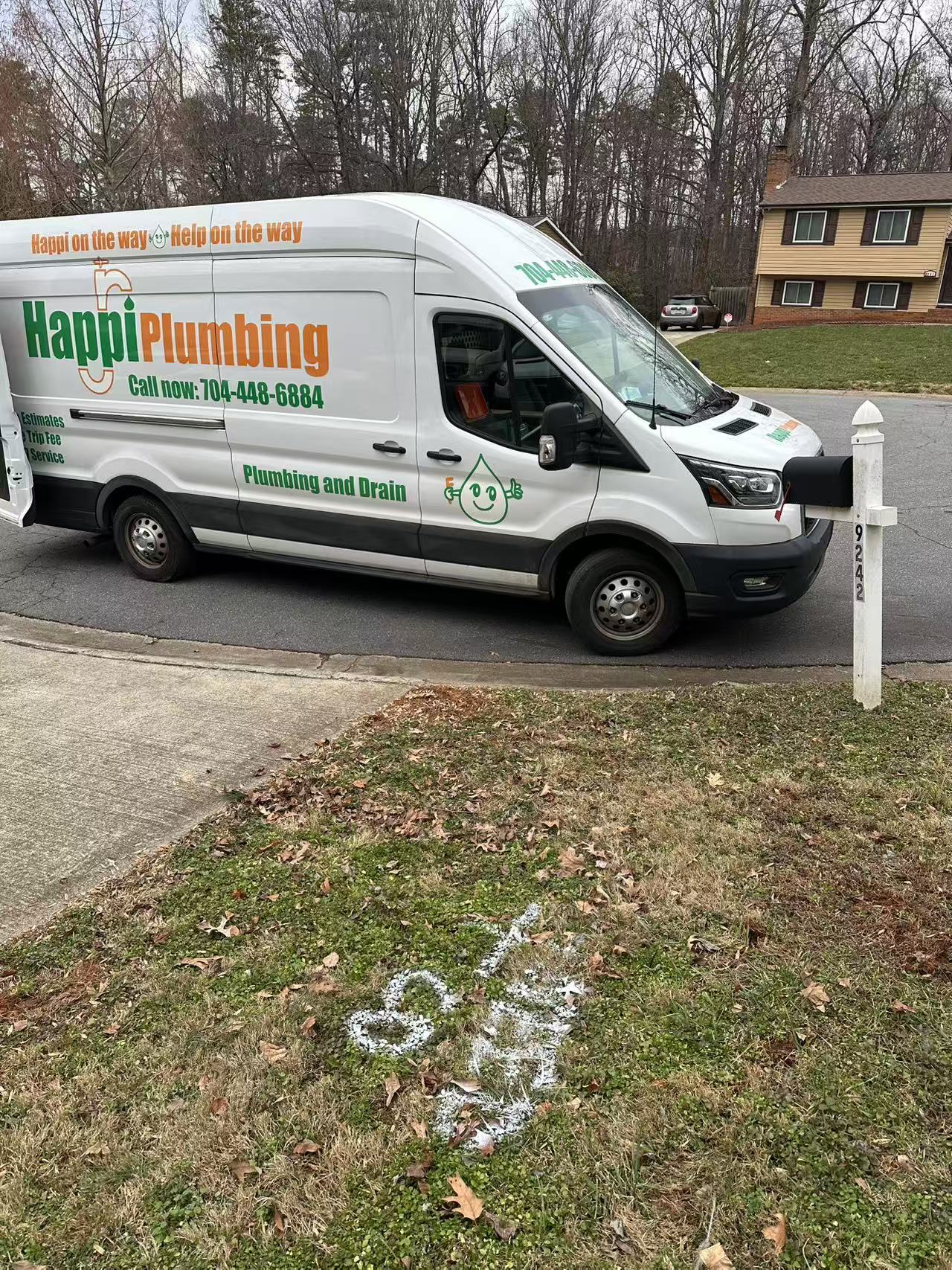
Residential plumbing context for sub-slab and concealed leak evaluation.
Next Step: Request a Leak Detection Assessment
Happi Plumbing Corporation provides residential and commercial plumbing and water leak detection services across the Greater Charlotte area. For a free on-site estimate, contact the team directly.
Phone: 704-448-6884 | Email: service@happiplumbing.com | Website: www.happiplumbing.com
Address: 4011 Fincher Road, Matthews, NC 28104

Happi Plumbing service contact image for requesting a leak detection assessment.
Have Questions or Need More Details?
Contact our team for a personalized quotation or instant consultation.
Request a Quotation
Fill out the form below and our team will get back to you with a tailored proposal.
WhatsApp Direct Chat
Prefer to chat in real-time? Message us on WhatsApp for instant assistance & quick answers.
- Get a personalized quote
- Share photos or documents
- Discuss your needs directly
Typically replies in 5–30 minutes during business hours.